


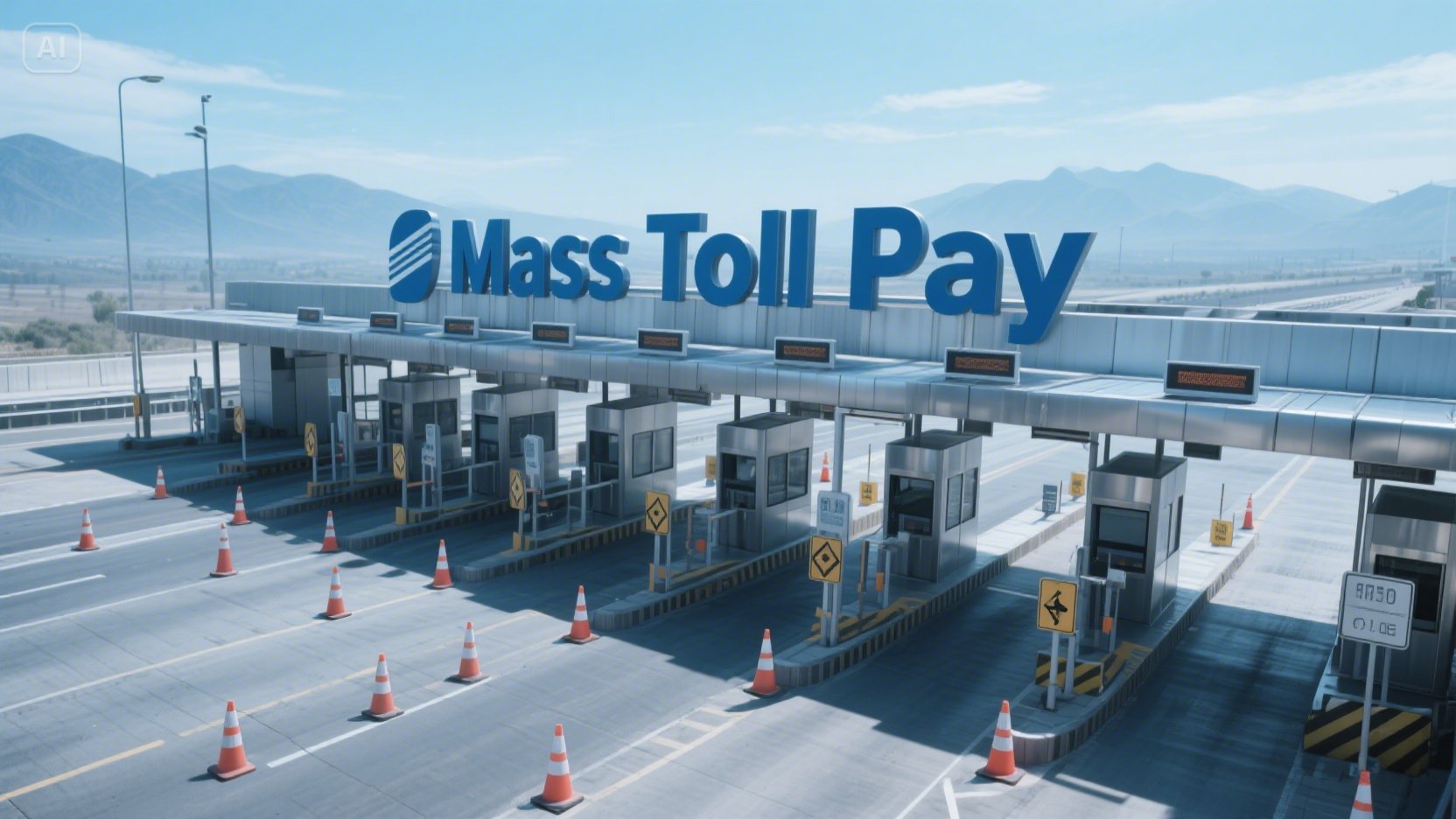
In today’s fast-paced world, the way we pay for tolls on highways and bridges is evolving rapidly. As more people use roads and traffic volumes increase, traditional toll collection methods, such as cash booths, create bottlenecks and delays. This is where mass toll pay systems come into play, improving efficiency and enhancing the user experience while ensuring seamless revenue collection for authorities.
What is Mass Toll Pay?
Mass toll pay refers to a toll payment method designed to handle a large volume of vehicles simultaneously through electronic or automated processes. Unlike manual toll booths where each vehicle stops to pay, mass toll pay systems enable drivers to pay tolls without stopping, using various technologies like RFID tags, license plate recognition cameras, and mobile apps.
The goal is to reduce congestion, save time, and streamline toll operations on busy highways, bridges, and tunnels. Mass toll pay supports high-capacity traffic flow by automatically processing payments as vehicles pass through designated points.
How Does Mass Toll Pay Work?
Mass toll pay systems utilize a range of technologies to enable quick and accurate toll transactions. Here are some of the most common components:
- Electronic Toll Collection (ETC): Each vehicle is equipped with an electronic tag (transponder) that communicates with roadside sensors to deduct toll fees automatically from a prepaid account.
- Automatic Number Plate Recognition (ANPR): Cameras capture license plate images, matching them to registered accounts or sending invoices to drivers who don’t have electronic tags.
- Mobile Payment Solutions: Smartphone apps allow drivers to pay tolls before or after passing through toll points, often integrating with their vehicle information.
- Open Road Tolling (ORT): Also known as cashless tolling, it eliminates toll booths entirely by charging vehicles at highway speeds.
Together, these technologies provide a seamless experience for drivers while maximizing the throughput of toll plazas.
Benefits of Mass Toll Pay Systems
Implementing mass toll pay systems brings numerous advantages to both drivers and toll operators:
- Reduced Traffic Congestion: Because vehicles no longer need to stop at booths, traffic flow is smoother, reducing delays during peak hours.
- Increased Safety: Eliminating the need to stop reduces rear-end collisions and accidents in toll zones.
- Cost Efficiency: Automated systems reduce labor costs associated with manual toll collection and limit cash handling errors.
- Environmental Benefits: Smoother traffic flow leads to less idling, reducing vehicle emissions and contributing to cleaner air quality.
- Convenient Payment Options: Drivers have multiple ways to pay, including prepaid accounts, mobile apps, or post-paid billing.
- Improved Data Collection: Electronic systems gather comprehensive traffic data that can be used for infrastructure planning and maintenance.
Challenges and Considerations
While mass toll pay systems offer many benefits, there are some challenges to consider:
- Privacy Concerns: The collection of vehicle data and license plate images raises privacy issues that need to be managed carefully with proper regulations.
- Technology Barriers: Not all vehicles have the required tags or compatible technology, necessitating alternative payment methods.
- Initial Implementation Costs: Setting up electronic tolling infrastructure requires significant upfront investment.
- Enforcement and Compliance: Ensuring that all drivers pay their tolls, especially those evading payment, requires robust enforcement mechanisms.
Despite these challenges, many regions worldwide are moving towards mass toll pay systems due to their long-term benefits.
Global Examples of Mass Toll Pay Systems
Mass toll pay is becoming the standard in many countries. Here are some notable examples:
- Singapore’s Electronic Road Pricing (ERP): Uses gantries equipped with sensors to automatically deduct toll fees, reducing traffic congestion in the city-state.
- California’s FasTrak: An electronic toll collection system that lets drivers use transponders to pay tolls on multiple highways without stopping.
- Italy’s Telepass: A popular mass toll pay system where users have a device in their vehicle for automatic toll collection across the country’s highways.
- India’s FASTag: A radio-frequency identification (RFID) based mass toll pay system mandated for all vehicles to promote cashless toll payments nationwide.
The Future of Mass Toll Pay
As technology advances, mass toll pay systems are becoming smarter and more integrated with other transportation services. Here are some trends shaping the future:
- Integration with Smart Cities: Toll systems will integrate with broader urban infrastructure to optimize traffic management and public transportation.
- Use of AI and Big Data: Artificial intelligence will analyze traffic patterns to dynamically adjust toll pricing and improve road utilization.
- Vehicle-to-Infrastructure Communication (V2I): Vehicles will communicate directly with toll systems to enhance safety and payment accuracy.
- Multi-Modal Payment Systems: Combining toll payment with fuel purchases, parking fees, and public transit payments for a seamless experience.
Conclusion
Mass toll pay systems are revolutionizing how toll roads function by leveraging technology to provide fast, safe, and convenient payment options for millions of drivers worldwide. These systems not only ease traffic congestion and improve road safety but also offer cost savings and environmental benefits. As mass toll pay continues to evolve, it will play a crucial role in the future of transportation infrastructure, helping cities and countries manage growing mobility demands efficiently and sustainably.
For drivers and policymakers alike, embracing mass toll pay means stepping into the future of smart and efficient road travel.
Want to know about ‘Turn Your Junk Car into Quick Cash‘ Check out our ‘Automobile‘ category.
